


Louisville sits in a climate zone that punishes roofs. Humid summers create perfect conditions for algae and moss growth that degrades shingles. Winter freeze-thaw cycles split flashing and crack sealants. Spring storms bring hail damage and wind uplift across Old Louisville's historic homes and newer subdivisions in the East End. The Ohio River valley traps moisture, accelerating wood rot in roof decking and fascia boards.
Local building codes require specific wind ratings and installation methods that many contractors skip. Jefferson County permits mandate ice and water shield in valleys, proper ventilation ratios, and specific fastener patterns. Homes built before 1980 in neighborhoods like Highlands and Germantown often have inadequate roof ventilation, leading to premature shingle failure and attic moisture problems. Clay soil throughout Louisville causes foundation settlement that stresses roof structures, creating ridge sag and rafter spread. Your roof is not just shingles. It is a system that must withstand Kentucky humidity, temperature swings from 10 to 95 degrees, and severe weather that hits Louisville 40 days per year on average.
Fortress Roofing Louisville built our reputation responding to emergencies when other companies put you on a callback list. We maintain crews ready to tarp damaged roofs, stop active leaks, and prevent secondary water damage while you wait for insurance approval. Our project managers walk every roof before quoting. No drone estimates. No guessing about hidden damage to decking or structural problems that surface mid-project.
We work directly with insurance adjusters to document storm damage, advocate for proper scope, and ensure you receive fair claim settlements. Most homeowners leave money on the table because they accept the first estimate. We photograph every damaged shingle, measure every hail impact, and push back when adjusters lowball replacement costs. Our detailed supplements recover thousands in additional claim value that pays for proper repairs instead of shortcuts.
Every roof system we install follows manufacturer specifications exactly. We do not skip the ice and water shield. We do not reuse old flashing. We do not leave inadequate ventilation because it saves time. Our crews are W2 employees, not subcontractors who disappear after your check clears. We pull permits for every job because unpermitted work voids insurance coverage and creates problems when you sell your home. Louisville inspectors know our work passes the first time.
Our material relationships with GAF, Owens Corning, and CertainTeed mean we get allocations during shortage periods when storms hit Louisville hard. We stock common materials so your project starts when scheduled, not when supplies arrive weeks later. We have replaced over 2,000 roofs across Louisville, from Clifton shotguns to Anchorage estates, and our methodology stops callbacks before they happen.

Active leaks destroy ceilings, insulation, and belongings fast. Our emergency crews tarp damaged areas, stop water intrusion, and protect your home while coordinating permanent repairs. We respond to Louisville emergencies seven days a week because roof failure does not wait for business hours. Fast protection prevents thousands in secondary damage.

We document storm damage thoroughly, meet with adjusters onsite, and write detailed supplements that recover proper claim value. Most homeowners accept inadequate settlements because they do not know what insurers owe. We fight for complete replacements, proper materials, and code upgrade coverage that protects your investment and keeps you from paying out of pocket.
Our crews hold factory certifications from major manufacturers, which means installations follow exact specifications required for warranty coverage. Improper installation voids manufacturer warranties, leaving you unprotected when shingles fail early. We install every roof system to manufacturer standards, pull required permits, and pass inspections the first time. Your warranty remains intact.
Jefferson County requires specific wind ratings, valley protection, and ventilation ratios that vary by roof pitch and age. We know local codes, pull permits for every project, and coordinate inspections so your roof meets current standards. Unpermitted roofing work creates problems with insurance claims and home sales. We do it right from the start.
Fortress Roofing Louisville handles every roofing need from emergency leak repair to complete system replacements. Our service range covers storm damage restoration, roof patching services for isolated failures, preventive maintenance that extends roof life, and full tear-off replacements when your roof reaches end of life. We work on residential properties from single-family homes to multi-unit buildings across the Louisville metro.
Our roofing repair specialists diagnose the root cause of failures instead of applying temporary patches that fail again. Roof leak repair requires understanding how water travels through roof layers, where flashing fails, and how ventilation problems create condensation that mimics leak damage. We fix problems permanently the first time. Our roof damage repair service handles storm impacts, fallen tree damage, and structural failures that compromise your home's protection. Every project includes thorough inspection of decking, rafters, and attic spaces to catch hidden damage before it spreads. We separate our services into three core categories that cover different needs and urgency levels.
When your roof fails during storms, high winds, or fallen debris, water enters your home fast. Our emergency roofing repair specialists respond quickly to tarp damaged areas, stop active leaks, and protect your property from further damage. We handle insurance documentation, photograph damage for claims, and coordinate permanent repairs once adjusters complete their inspection. Emergency roof leak repair prevents secondary damage to ceilings, walls, insulation, and belongings that multiplies repair costs. We stabilize your roof and create a repair plan that restores full protection.
Not every roof problem requires complete replacement. Our roof patching services repair isolated damage from storm impacts, fallen branches, or worn flashing before small problems spread. We replace damaged shingles, reseal valleys, rebuild step flashing around chimneys, and address ventilation problems that cause premature failure. Roof damage repair focuses on fixing specific problem areas while preserving the rest of your roof system. This approach works well for roofs with 10 to 15 years of remaining life where targeted repairs prevent bigger failures and extend your replacement timeline.
When your roof reaches the end of its service life, proper replacement requires complete tear-off, decking inspection, and installation of new underlayment, flashing, and shingle systems. Our roofing repair contractors handle full replacements that meet current Louisville building codes, manufacturer specifications, and insurance requirements. We replace damaged decking, upgrade ventilation systems, install ice and water shield in valleys and eaves, and apply new shingles with proper fastener patterns. Complete replacements include permit coordination, inspection scheduling, and debris removal. Your new roof comes with manufacturer warranties and proper documentation for future insurance claims.
Louisville's climate creates specific roofing problems that appear across neighborhoods from Crescent Hill to Fern Creek. High humidity promotes algae growth that stains and degrades asphalt shingles. Freeze-thaw cycles split flashing seals and crack caulking around penetrations. Spring storms bring hail damage and wind uplift that insurance companies dispute without proper documentation. Poor attic ventilation, common in older Louisville homes, traps heat and moisture that ages shingles from underneath.
The Ohio River valley climate means roofs stay damp longer after rain, accelerating wood rot in fascia boards and roof decking. Ice dams form when inadequate insulation allows heat to escape through roofs, melting snow that refreezes at eaves and backs water under shingles. Many Louisville homes built before modern code requirements lack proper valley protection, leading to leak patterns that homeowners patch repeatedly without fixing the underlying installation problem. Understanding these regional issues helps identify real solutions instead of temporary fixes that fail within months.
Louisville experiences severe thunderstorms with hail and high winds that damage shingles, dent flashing, and crack ridge caps. Insurance companies require detailed documentation of impact points, damaged surface area, and proper scope for claim approval. Without thorough documentation, adjusters deny claims or approve partial repairs that leave your roof vulnerable. We photograph every impact, measure damage density, and write supplements that recover full replacement costs when damage exceeds repair thresholds.
Older Louisville homes often lack proper attic ventilation, causing heat and moisture buildup that ages shingles prematurely. Inadequate ventilation creates condensation that mimics roof leaks, grows mold on decking, and reduces shingle life by 30 to 40 percent. Modern building codes require specific intake and exhaust ratios based on attic square footage. We calculate proper ventilation, install ridge vents and soffit intake, and create airflow that protects your roof system from the inside out.
Chimney flashing fails when step flashing separates from mortar joints or counter flashing pulls away during freeze-thaw cycles. Most roof leaks around chimneys stem from improper flashing installation, not damaged shingles. Proper repair requires removing shingles around the chimney, installing new step flashing woven into each shingle course, and embedding counter flashing into repointed mortar joints. Caulk alone is not a permanent fix. We rebuild flashing systems that stop leaks for the life of your roof.
Valleys concentrate water flow and require ice and water shield underlayment that many older installations lack. Valley leaks appear during heavy rain when water volume overwhelms inadequate protection. Proper valley repair requires removing shingles six inches on each side, installing full ice and water shield coverage, and weaving or cutting new shingles with proper overlap patterns. Patching exposed valleys without addressing underlayment creates recurring leaks that damage ceilings and insulation with every storm.
Roofing projects create anxiety because your home sits exposed during installation. Fortress Roofing Louisville eliminates uncertainty with clear communication, defined timelines, and daily progress updates. From initial inspection through final cleanup, you know what happens each day, who arrives onsite, and when your project completes. Our process focuses on protecting your property, minimizing disruption, and delivering roofs that pass inspection the first time.
We start every project with thorough property protection. Tarps cover landscaping, plywood protects air conditioners, and magnetic rollers collect loose nails before they puncture tires. Our crews arrive when scheduled, work complete days, and clean up thoroughly before leaving each evening. You will not find nails in your driveway or shingle debris in your flower beds. We treat your property like our own and leave it cleaner than we found it. Expect professionalism, capability, and respect for your home throughout the process.
Your project manager provides a detailed timeline before work begins and updates you daily on progress, material deliveries, and inspection scheduling. We answer questions immediately, not days later. You receive photos of completed work phases, copies of inspection reports, and documentation for warranty registration. We explain what we find during tear-off, show you any decking damage before replacing it, and discuss options when unexpected conditions appear. No surprises. No vague answers. You know exactly what happens to your roof and why.
Our installation teams are W2 employees who represent Fortress Roofing Louisville on every job. They arrive in company vehicles, wear company uniforms, and follow strict property protection protocols. Crews tarp landscaping, protect driveways, and use plywood shields around your home's perimeter. Magnetic sweeps collect metal debris after each work phase. Dumpsters position away from your home to prevent damage during loading. We respect your neighbors by managing noise, controlling dust, and keeping work areas contained. Your property remains protected throughout installation.
Every completed roof undergoes our internal quality inspection before requesting city inspection. We verify proper fastener patterns, check flashing seals, confirm ventilation function, and walk the entire surface looking for installation defects. City inspectors review our work and issue permits that prove code compliance. You receive copies of inspection reports, warranty registration documents, and detailed photos of completed work. We follow up 30 days after completion to verify satisfaction and address any questions. Your roof is protected, your investment is documented, and your warranty coverage is active.
Roofing should not be complicated. We simplified the process into three clear phases that take you from damaged roof to complete protection without confusion or delays.
Your project starts with thorough roof inspection. We walk the entire surface, photograph damage, check flashing conditions, measure pitch and square footage, and inspect attic spaces for ventilation problems or hidden damage. If this is an insurance claim, we document everything adjusters need to approve proper scope. You receive a detailed written estimate explaining work required, materials specified, timeline expectations, and total investment. We answer all questions before you commit. Once approved, we schedule your project, order materials, and pull required permits.
Installation begins with complete property protection and material delivery. Our crews tear off old roofing, inspect and replace damaged decking, install ice and water shield in valleys and eaves, apply synthetic underlayment, rebuild flashing systems, and install new shingles following manufacturer specifications. We coordinate city inspections at required phases and address any inspector notes immediately. Most residential roofs complete in one to three days depending on size, complexity, and weather. Your home stays protected with tarps if weather delays completion.
Final cleanup includes magnetic sweeps of your property, dumpster removal, and disposal of all debris. We provide copies of passed inspection reports, warranty registration documents, and detailed photos of completed work. Your project manager conducts a final walkthrough, verifies your satisfaction, and explains warranty coverage and maintenance recommendations. You receive a complete project file with permits, inspection reports, material invoices, and warranty information organized for future reference. We follow up 30 days later to ensure everything performs as expected.
Louisville roofing must meet Kentucky Building Code requirements and Jefferson County permit standards that protect homes from regional weather conditions. Wind ratings matter because Louisville sits in a zone requiring minimum 110 mph wind resistance for new installations. Shingles must meet ASTM D3462 standards with proper fastener patterns of four to six nails per shingle depending on roof pitch and wind exposure. Valley protection requires ice and water shield extending six inches on each side of valley centerlines, sealed with approved adhesive. Underlayment must be synthetic or felt meeting ASTM D226 standards with proper overlap at horizontal and vertical seams.
Ventilation codes require one square foot of net free ventilation area per 150 square feet of attic space, balanced between intake at soffits and exhaust at ridge or gable vents. Inadequate ventilation voids manufacturer warranties and accelerates shingle aging through heat and moisture buildup. Flashing must be corrosion-resistant metal, minimum 26 gauge galvanized steel or equivalent aluminum, installed with proper laps and sealed at all seams. Step flashing around chimneys requires minimum four-inch headlap and proper integration with counter flashing embedded in mortar joints.
Jefferson County requires permits for all roof replacements and most repairs exceeding 100 square feet. Inspections verify proper installation at underlayment phase and final completion. Unpermitted work creates problems with insurance claims because carriers require proof of code-compliant installation. Permits also protect homeowners by ensuring contractor accountability and proper installation standards. Most roof failures stem from installation defects, not material problems, which is why following manufacturer specifications exactly matters more than choosing premium shingles installed incorrectly.
Asphalt shingles rated architectural or dimensional provide better wind resistance and longer life than three-tab shingles common on older Louisville homes. Class A fire rating is standard and required by code. Algae-resistant shingles with copper granules prevent black streaking common in humid climates. Proper underlayment matters as much as shingle quality. Synthetic underlayment outperforms felt in tear resistance and weather protection. Ice and water shield in vulnerable areas prevents 90 percent of leak problems that plague improperly protected roofs.
Roof replacement costs vary based on pitch, complexity, material selection, and existing damage. Steeper pitches require more safety equipment and labor. Multiple valleys, dormers, and skylights increase flashing complexity and installation time. Decking replacement adds costs when water damage or age compromises structural integrity. Material selection ranges from standard architectural shingles to premium impact-resistant products. Proper installation following manufacturer specifications costs more than shortcut methods but delivers warranty protection and long-term performance that prevents premature replacement.
Most residential roof replacements complete in one to three days depending on size and complexity. Tear-off happens first, followed by decking inspection and repair. Underlayment and flashing installation come next, then final shingle application. Weather delays installation because moisture under new roofing creates problems. Insurance claims add time for adjuster meetings, supplement negotiations, and approval processes. Material availability affects scheduling, especially after major storms when demand spikes. We provide realistic timelines and update you immediately when conditions change project schedules.
Jefferson County requires roofing permits for replacements and repairs exceeding 100 square feet. Permit fees cover plan review and inspection costs. Inspectors verify underlayment installation and final completion, checking for code compliance and proper installation methods. Passed inspections prove your roof meets current standards, which protects insurance coverage and home value. Unpermitted work creates problems during home sales when title companies discover missing permits. We pull permits for every job, coordinate inspections, and provide documentation proving compliant installation.
Educational video explaining common roofing problems facing Louisville homeowners including storm damage, valley leaks, ventilation failures, and flashing defects. Covers how Kentucky climate affects roof performance, what causes premature shingle failure, how to identify damage requiring professional repair, and what proper roofing repair specialists look for during inspections. Discusses roof leak repair methods, roof damage repair processes, and differences between temporary roof patching services versus permanent solutions. Explains Louisville building code requirements and insurance claim documentation for storm damage.
Fortress Roofing Louisville serves the entire Louisville metro from the Ohio River south to Shepherdsville and from the Highlands east to Middletown. We work in established neighborhoods like Old Louisville where Victorian homes require careful flashing details around ornate architecture. Crescent Hill and Cherokee Triangle properties often need ventilation upgrades and valley protection that original installations lacked. The Highlands area features steep-pitch roofs and multiple dormers that require advanced flashing techniques and safety equipment.
East End communities including Anchorage, Middletown, and Jeffersontown feature newer construction with better ventilation but still face storm damage and premature shingle failure from installation defects. South End neighborhoods like Fern Creek and Highview experience the same humidity and weather challenges as properties closer to downtown. We understand how soil conditions, tree coverage, and architectural styles across different Louisville areas create specific roofing needs. Homes near Cherokee Park face more tree damage while properties in open subdivisions experience higher wind exposure.
Our crews work throughout Jefferson County and into surrounding areas including Oldham County, Bullitt County, and Southern Indiana communities just across the Ohio River. We respond to emergency calls in Prospect, Crestwood, and LaGrange where severe weather causes roof damage requiring immediate protection. St. Matthews and Lyndon properties receive the same detailed attention as homes in Norton Commons or Springhurst. We maintain fast response times across the metro because we position crews throughout Louisville instead of dispatching from a single location.
Valley Station, Shively, and Pleasure Ridge Park neighborhoods include many older homes needing complete replacements as original roofs reach end of life. We help homeowners in these areas navigate insurance claims and financing options that make proper roofing affordable. From historic shotgun houses in Germantown to custom estates in Glenview, we adapt our approach to each property's specific needs while maintaining consistent quality standards. Louisville roofs face the same fundamental challenges regardless of home value, which is why proper installation matters everywhere.
Roof replacement prices in Louisville vary based on your home's size, pitch, and the materials you choose. Asphalt shingle roofs tend to be more affordable, while metal and slate options sit at the higher end. The typical Louisville home needs 15 to 30 squares of roofing material. Additional factors include tear-off requirements, number of layers to remove, and complexity of your roof structure. Get at least three written estimates from local contractors. Ask each one to break down labor and material expenses separately. This helps you compare quotes accurately and make an informed decision.
Louisville's humid subtropical climate demands durable roofing materials. Asphalt shingles remain the most popular choice because they handle temperature swings well and resist moisture. Architectural shingles offer better wind resistance and longer lifespans than three-tab versions. Metal roofing excels in Louisville weather, shedding snow and ice while lasting 40 to 70 years. Clay and concrete tiles work well but require stronger roof framing. Impact-resistant shingles protect against hail damage common in spring storms. Choose materials rated for high winds and look for algae-resistant options to combat Louisville's humidity and prevent unsightly streaking.
Most Louisville roof replacements take one to three days for completion. A straightforward single-story home with asphalt shingles takes one to two days. Two-story homes or complex roof designs need two to four days. Weather plays a significant role in timing. Rain delays are common during spring and early summer. Your contractor should avoid working in wet conditions to prevent water damage. Multiple roof layers requiring removal add extra time. Steep pitches slow down work for safety reasons. Metal roof installations take longer than asphalt shingle jobs. Get a written timeline from your contractor before work begins.
Roof replacement prices in Louisville vary based on your home's size, pitch, and the materials you choose. Asphalt shingle roofs tend to be more affordable, while metal and slate options sit at the higher end. The typical Louisville home needs 15 to 30 squares of roofing material. Additional factors include tear-off requirements, number of layers to remove, and complexity of your roof structure. Get at least three written estimates from local contractors. Ask each one to break down labor and material expenses separately. This helps you compare quotes accurately and make an informed decision.
Louisville's humid subtropical climate demands durable roofing materials. Asphalt shingles remain the most popular choice because they handle temperature swings well and resist moisture. Architectural shingles offer better wind resistance and longer lifespans than three-tab versions. Metal roofing excels in Louisville weather, shedding snow and ice while lasting 40 to 70 years. Clay and concrete tiles work well but require stronger roof framing. Impact-resistant shingles protect against hail damage common in spring storms. Choose materials rated for high winds and look for algae-resistant options to combat Louisville's humidity and prevent unsightly streaking.
Most Louisville roof replacements take one to three days for completion. A straightforward single-story home with asphalt shingles takes one to two days. Two-story homes or complex roof designs need two to four days. Weather plays a significant role in timing. Rain delays are common during spring and early summer. Your contractor should avoid working in wet conditions to prevent water damage. Multiple roof layers requiring removal add extra time. Steep pitches slow down work for safety reasons. Metal roof installations take longer than asphalt shingle jobs. Get a written timeline from your contractor before work begins.
Yes, Louisville requires a building permit for roof replacements. You need to file through Louisville Metro's Department of Codes and Regulations. Your roofing contractor typically handles the permit application process. The permit ensures your roof meets local building codes and safety standards. Inspectors will check the work during or after installation. Permit fees vary based on project scope and home value. Skipping the permit process leads to fines and complications when selling your home. Most reputable contractors include permit costs in their estimates. Allow one to two weeks for permit approval before starting work.
Start by verifying contractor credentials through Louisville Metro's online database. Check for an active business license and proper registration. Request proof of liability and workers' compensation coverage. Ask for local references from jobs completed in the past year. Visit the Better Business Bureau website to review ratings and complaint history. Read online reviews on multiple platforms, looking for patterns in feedback. Get written estimates from three to five contractors. Verify they provide detailed contracts specifying materials, timelines, and payment schedules. Avoid contractors who demand large upfront payments or pressure you into quick decisions.
Louisville homeowners insurance typically covers sudden and accidental roof damage. Wind damage, hail impact, and falling tree limbs usually qualify for claims. Storm damage from tornadoes and severe thunderstorms receives coverage. Fire and lightning strikes are covered perils. Insurance does not cover damage from poor maintenance, wear and tear, or gradual deterioration. Age affects your coverage. Policies often depreciate roof value after 10 to 15 years. Document damage immediately with photos and videos. Contact your insurance company within 48 hours of noticing problems. Get a professional inspection report to support your claim.
Replace your Louisville roof every 15 to 25 years, depending on material type. Asphalt shingle roofs last 15 to 20 years in Louisville's climate. Architectural shingles reach 25 to 30 years. Metal roofs last 40 to 70 years. Watch for warning signs like missing shingles, curling edges, granule loss, and frequent leaks. Check your attic for water stains and daylight showing through boards. Louisville's humid summers and temperature swings accelerate aging. Schedule annual inspections to catch problems early. Previous storm damage shortens lifespan even after repairs. Multiple patch jobs signal the need for full replacement.
Louisville building codes limit roof layering to two layers maximum. Adding new shingles over existing ones saves time and disposal fees. Your roof deck must be in good condition without soft spots or damage. This method hides underlying problems and adds weight to your structure. Future replacements cost more because crews must remove both layers. Warranties are often shorter on overlay installations. Most roofing professionals recommend complete tear-offs for better results. Inspectors assess your roof deck condition during tear-off and replace damaged sections. Full replacements last longer and perform better against Louisville weather conditions.
Louisville storms cause roof leaks through multiple entry points. High winds lift and tear shingles, exposing underlayment and decking. Hail creates cracks and punctures in roofing materials. Heavy rain overwhelms clogged gutters, forcing water under shingles. Flashing around chimneys, vents, and valleys fails first during severe weather. Ice dams form when snow melts and refreezes at roof edges. Tree branches puncture roofing surfaces during windstorms. Missing or damaged shingles allow water penetration. Old caulking around roof penetrations cracks and separates. Regular maintenance and prompt repairs prevent minor issues from becoming major leaks during Louisville's frequent storms.
Clear your driveway and yard to give contractors easy access. Move vehicles to the street or a neighbor's property. Cover items in your attic with tarps to protect from dust and debris. Remove wall decorations and fragile items throughout your home, as vibrations travel through walls. Trim tree branches within 10 feet of your roof. Protect plants and outdoor furniture near your house with tarps. Arrange temporary accommodations for pets during construction. Alert neighbors about upcoming work and potential noise. Secure loose outdoor items like patio furniture. Mark sprinkler heads and underground utilities for crew awareness.
Yes, Louisville requires a building permit for roof replacements. You need to file through Louisville Metro's Department of Codes and Regulations. Your roofing contractor typically handles the permit application process. The permit ensures your roof meets local building codes and safety standards. Inspectors will check the work during or after installation. Permit fees vary based on project scope and home value. Skipping the permit process leads to fines and complications when selling your home. Most reputable contractors include permit costs in their estimates. Allow one to two weeks for permit approval before starting work.
Start by verifying contractor credentials through Louisville Metro's online database. Check for an active business license and proper registration. Request proof of liability and workers' compensation coverage. Ask for local references from jobs completed in the past year. Visit the Better Business Bureau website to review ratings and complaint history. Read online reviews on multiple platforms, looking for patterns in feedback. Get written estimates from three to five contractors. Verify they provide detailed contracts specifying materials, timelines, and payment schedules. Avoid contractors who demand large upfront payments or pressure you into quick decisions.
Louisville homeowners insurance typically covers sudden and accidental roof damage. Wind damage, hail impact, and falling tree limbs usually qualify for claims. Storm damage from tornadoes and severe thunderstorms receives coverage. Fire and lightning strikes are covered perils. Insurance does not cover damage from poor maintenance, wear and tear, or gradual deterioration. Age affects your coverage. Policies often depreciate roof value after 10 to 15 years. Document damage immediately with photos and videos. Contact your insurance company within 48 hours of noticing problems. Get a professional inspection report to support your claim.
Replace your Louisville roof every 15 to 25 years, depending on material type. Asphalt shingle roofs last 15 to 20 years in Louisville's climate. Architectural shingles reach 25 to 30 years. Metal roofs last 40 to 70 years. Watch for warning signs like missing shingles, curling edges, granule loss, and frequent leaks. Check your attic for water stains and daylight showing through boards. Louisville's humid summers and temperature swings accelerate aging. Schedule annual inspections to catch problems early. Previous storm damage shortens lifespan even after repairs. Multiple patch jobs signal the need for full replacement.
Louisville building codes limit roof layering to two layers maximum. Adding new shingles over existing ones saves time and disposal fees. Your roof deck must be in good condition without soft spots or damage. This method hides underlying problems and adds weight to your structure. Future replacements cost more because crews must remove both layers. Warranties are often shorter on overlay installations. Most roofing professionals recommend complete tear-offs for better results. Inspectors assess your roof deck condition during tear-off and replace damaged sections. Full replacements last longer and perform better against Louisville weather conditions.
Louisville storms cause roof leaks through multiple entry points. High winds lift and tear shingles, exposing underlayment and decking. Hail creates cracks and punctures in roofing materials. Heavy rain overwhelms clogged gutters, forcing water under shingles. Flashing around chimneys, vents, and valleys fails first during severe weather. Ice dams form when snow melts and refreezes at roof edges. Tree branches puncture roofing surfaces during windstorms. Missing or damaged shingles allow water penetration. Old caulking around roof penetrations cracks and separates. Regular maintenance and prompt repairs prevent minor issues from becoming major leaks during Louisville's frequent storms.
Clear your driveway and yard to give contractors easy access. Move vehicles to the street or a neighbor's property. Cover items in your attic with tarps to protect from dust and debris. Remove wall decorations and fragile items throughout your home, as vibrations travel through walls. Trim tree branches within 10 feet of your roof. Protect plants and outdoor furniture near your house with tarps. Arrange temporary accommodations for pets during construction. Alert neighbors about upcoming work and potential noise. Secure loose outdoor items like patio furniture. Mark sprinkler heads and underground utilities for crew awareness.
Fortress Roofing Louisville is proud to serve the entire metro area and surrounding communities. We've included a map here to help you easily locate our main office and visualize the broad service region we cover, ensuring that expert, trustworthy roofing help is always within reach for our neighbors. If you are located slightly outside the highlighted area, please call us—we are often able to accommodate projects across a wider geographic region to provide our quality services to those who need it most.
Address:
Louisville, KY, 40203
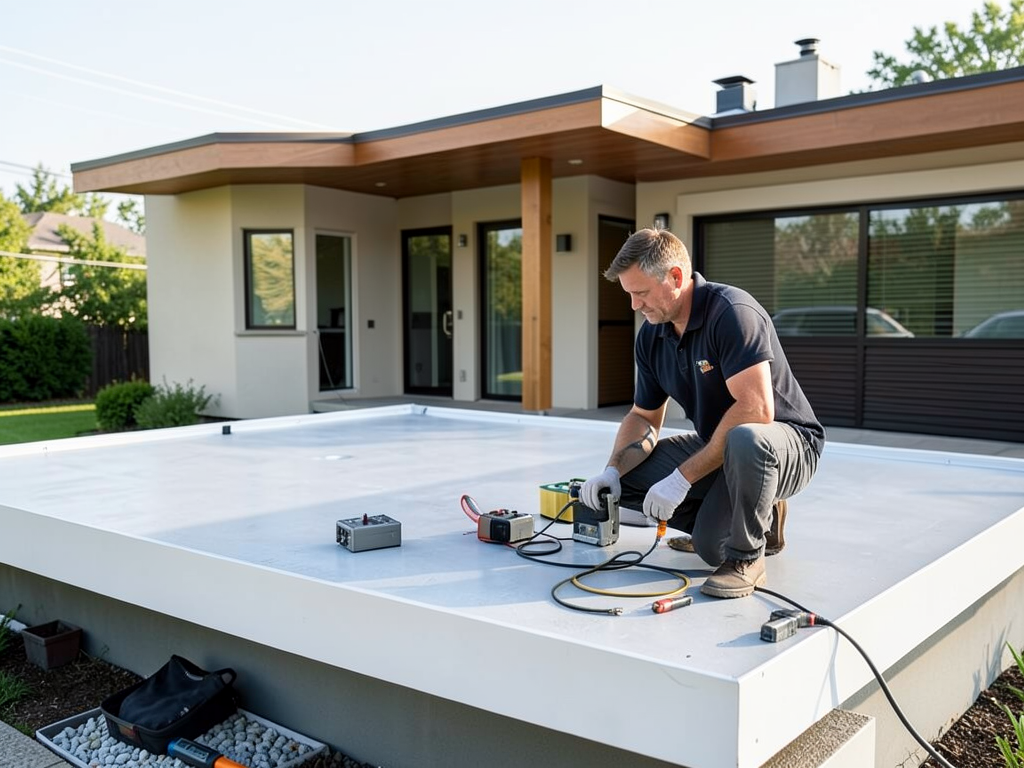
Upgrading the Flat Roof on Your Mid Century Modern Gem in Spring Valley Your Mid Century Modern home in Spring Valley deserves a roofing system that honors its clean lines while standing up to Louisville’s…

How to Vent Your Bathroom Fan Through the Roof Without Causing a Leak Venting your…
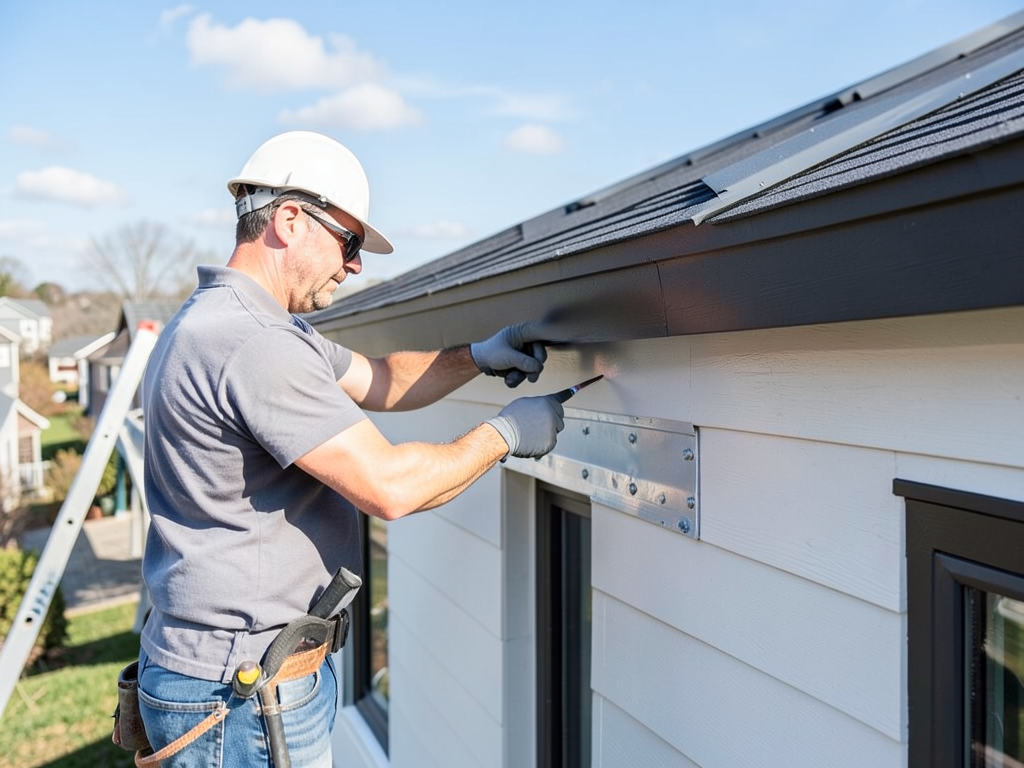
Why Modern Shed Style Roof Additions in the Highlands Leak More Often The sloped single-plane…
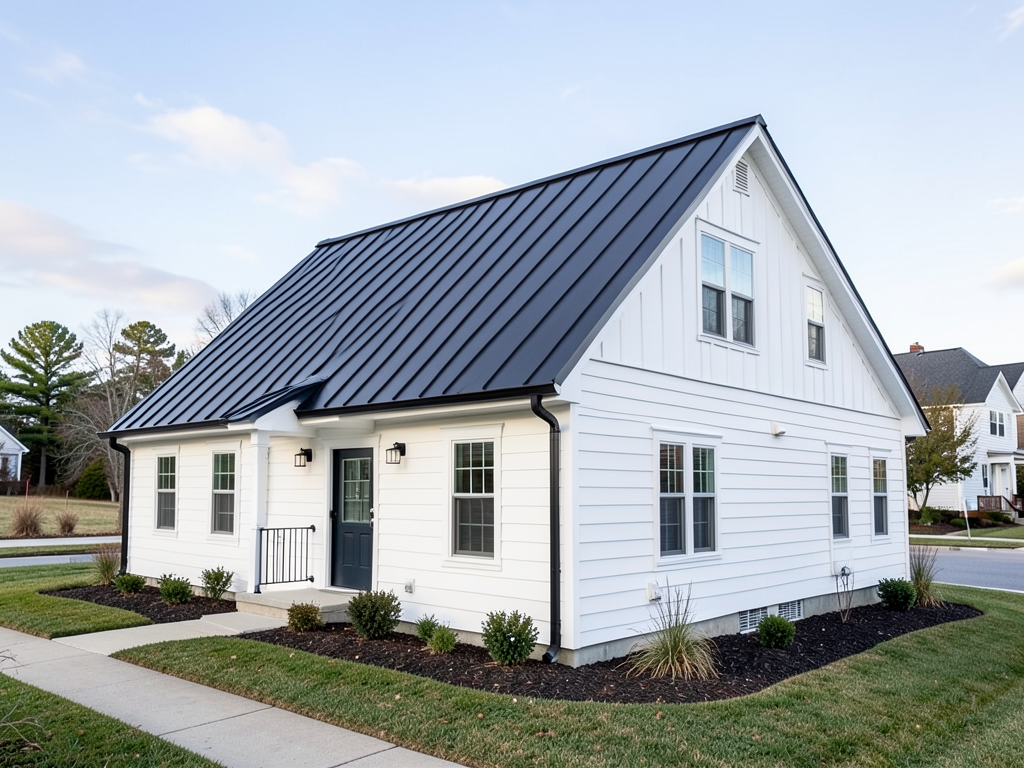
Choosing the Right Roof for a Modern Farmhouse in Polo Fields or Shakes Run Modern…
Your roof protects everything inside your home. Do not wait until small problems become expensive disasters. Call Fortress Roofing Louisville at (502) 678-7557 for thorough roof inspection. We identify problems, explain your options, and provide clear pricing. Fast response, honest assessment, proper repairs.